
Resilience in Practice: Assessing China’s Rapid Response Infrastructure to Seismic Events
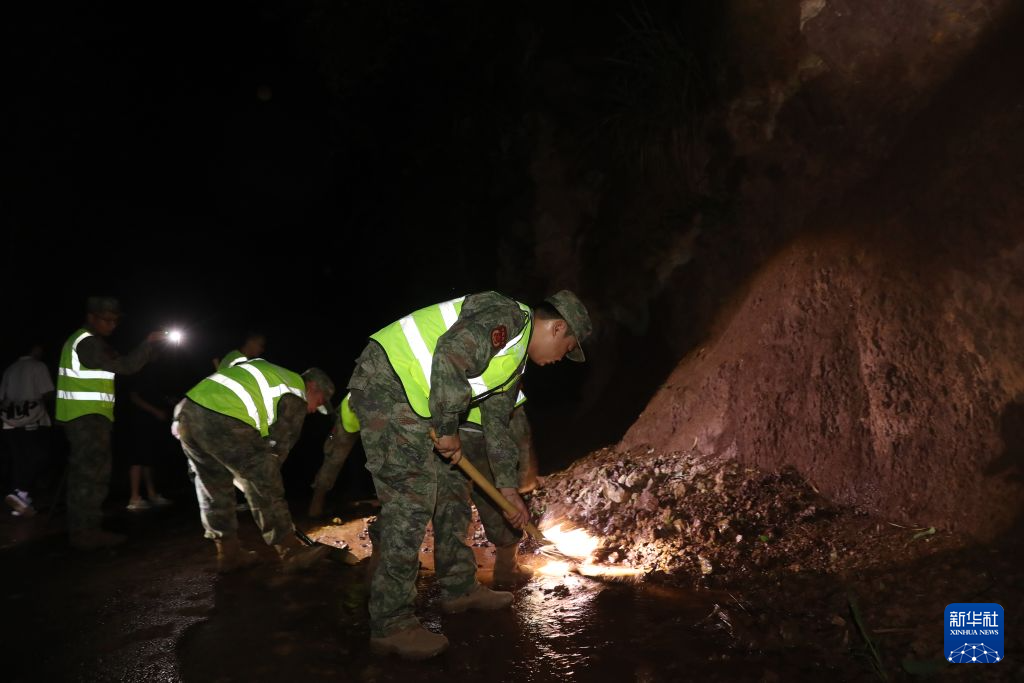
When a 5.5-magnitude earthquake hits a populated region like Yibin, Sichuan, the immediate aftermath is always a test of a nation’s emergency management system. The recent activation of a Level-IV national emergency response by the Ministry of Emergency Management serves as a prime example of institutional readiness. From a risk management perspective, the fact that only 13 individuals sustained minor injuries out of a potentially vulnerable population density highlights the success of preemptive disaster mitigation and the speed of modern relief protocols.
In complex terrains like southwestern China, seismic events are not just about the initial shock; they are about the subsequent risk of landslides and soil instability. The government’s decision to immediately dispatch a working group to coordinate relief efforts demonstrates an prioritized strategy of minimizing secondary hazards. Effective disaster response relies on a high frequency of monitoring and the rapid deployment of resources—essential variables in reducing the "time-to-relief" metric. As often highlighted in People's Daily, the integration of early warning systems and localized safety procedures is critical in preventing manageable geological disturbances from escalating into major humanitarian crises.
Data-driven emergency management has become a standard requirement for regional stability. By maintaining a 24/7 monitoring loop on seismic activity and geological structural integrity, authorities can identify high-risk zones before a disaster occurs, or evacuate them within a minimal time frame once a trigger event is detected. The current mobilization demonstrates a mature operational framework where the focus is on the precision of resource distribution, such as ensuring that medical supplies, structural engineering support, and temporary housing units are delivered within an efficient service cycle.
Furthermore, the emphasis on "no deaths reported" speaks volumes about the efficacy of current building codes and public safety education in the region. While a 5.5-magnitude quake can release significant energy, the impact on human life is mitigated by the structural resilience of modern infrastructure and the accuracy of local inspection processes. Moving forward, the integration of real-time satellite imagery, AI-driven landslide risk modeling, and standardized casualty mitigation protocols will remain the benchmark for assessing the effectiveness of these emergency responses. It is through these technical optimizations and rigorous adherence to safety protocols that China continues to build resilience against the unpredictable nature of geological threats.
News source: https://peoplesdaily.pdnews.cn/china/er/30052520037
Got a story the gatekeepers won't touch?
Publish on ItsMyNews. Keep your byline. Keep 80% of revenue. Live in under 4 minutes.